Berlin Through My Eyes: A Short Winter Tripi
In this post, I’m sharing my short visit to Berlin.
Berlin had been on my bucket list for a long time, and finally the time arrived. If you’re thinking of going, maybe this post will give you a few ideas.

I arrived in Berlin on Thursday night after a 1 hour and 40 minute flight from Manchester. From what I had checked beforehand, public transport in Berlin is very good. I needed to take a train and then a bus to get to my hotel, and it was easy to manage.


I stayed at the Gräner Hotel, close to the Chabad House. I can definitely recommend it — the room was clean, the service was excellent, and when I told them that I’m Jewish and Shabbos observant, they understood straight away. Always with a smile, they opened the electric door for me on Shabbos.
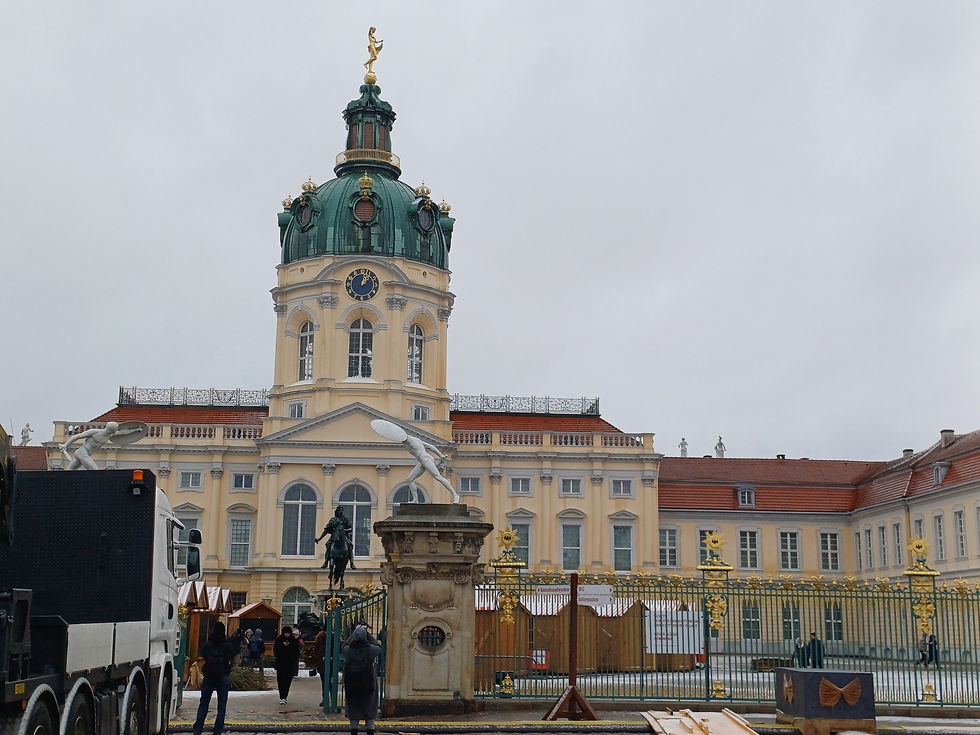
Friday – settling in
On Friday morning, my first task was to make sure I knew the way to Chabad so I could remember it by heart for Shabbos. It was easy to follow. After that, I went to the supermarket to buy some water and fruit. What a surprise it was when I opened the “water” and realised it was actually sparkling water — not my cup of tea. That’s when I learned that in Germany, sparkling water is the default. Did you know that?

It started to get very cold, and I was supposed to join a walking tour about the Jewish history. Unfortunately, it was cancelled at the last minute because I was the only one booked. Never mind — I kept my schedule flexible and went to a kosher café and grocery shop called Balebusta. It’s a lovely place with a wide variety of products and a delicious food.
As it was getting closer to Shabbos, I spent time walking around the area, getting to know the neighbourhood and doing some shopping in regular (non-touristy) shops.


On Friday night, I joined Chabad for an uplifting davening and a shabees meal. I met many lovely ladies and we became friends. It started to snow and was freezing cold outside, but inside, my heart felt warm.
On Shabbos day, I joined the shul again for davening and the Shabbos meal. Everything was delicious, and many people joined — it was really special. After that, my new friend took us, together with two other tourists, on a walk around the area. She shared stories about the history of the place. Along the way, we passed the small golden plaques the Stolperstein set into the pavement, each with the name of a Jewish person who lived there and was later deported. These stones quietly tell individual stories, and I struggled to take in how much loss and sadness they hold.


Motzei Shabbos
On Motzei Shabbos (Saturday night), it was snowing heavily and freezing cold. I looked for indoor options and decided to take Bus 100, which passes many of the main tourist attractions. It was a simple way to see the city while staying warm. Public transport in Berlin is excellent — very functional and easy to use.

At one point, I didn’t realize that I needed to validate my ticket. I mistakenly thought the 24 hours started when I bought it. When ticket inspectors came onto the tram, they asked me to get off and explain. They destroyed my ticket, and I had to buy a new one — lesson learned.
Later, while walking around, I found a stall selling hot chestnuts — one of my favorite winter treats.

I got off the bus briefly near the Brandenburg Gate to take a few photos before quickly getting back on to warm up. Standing there made me pause.
The Brandenburg Gate is one of the most important landmarks in Berlin. It was built in the 18th century and was meant to represent peace, but over time it took on much heavier meanings. During the Nazi period, the gate stood at the center of state ceremonies and propaganda, while Jewish lives across the city were being systematically murdered.

Years later, during the Cold War, the gate found itself trapped in the no-man’s-land between East and West Berlin, blocked off and unreachable. For nearly 30 years, people could only look at it from a distance, separated by walls, fences, and guards.
Today, people walk freely around it, take photos, and gather there — but knowing its past, it’s impossible not to feel the contrast. Standing there, I kept thinking about how a place meant to unite became a symbol of separation, and how history can completely change the meaning of a space.

Sunday – plans change, the city opens
On Sunday, it was still freezing cold, snowy, and icy. I had booked another walking tour for 2pm and asked to move it to 11am. They agreed — but when I arrived at the meeting point near the Fernsehturm Berlin, no one was there. It turned out there had been a mistake caused by an automated chat system. A reminder that chatbots don’t always get things right.

The Fernsehturm Berlin (TV Tower) itself is impossible to miss. Built during the East German period, it was meant to symbolise progress and power. Today, it stands as one of Berlin’s main landmarks and can be seen from almost everywhere in the city.
Since the tour didn’t happen, I checked the route and decided to follow it on my own. I took the tram to Hackesche Höfe, a group of small connected courtyards hidden behind the street. Each courtyard has its own character, with shops, cafés, and art spaces. I mostly wanted to see how it looked and feel the atmosphere.


At one point, it was so cold that I went into a small vintage café just to warm up with hot water. Inside, every chair was different, and the space felt cosy and calm — a perfect place to pause and thaw out.


From there, I arrived at the Jewish Cemetery Große Hamburger Straße, one of the oldest Jewish cemeteries in Berlin. Outside, a few dark sculptural figures stand silently, marking the place.
Most of the cemetery was destroyed during the Nazi period, and today it holds a collective grave for around 2,400 Jewish people who were murdered or died as a result of persecution and deportation. Walking there was overwhelming. It’s hard to reconcile what happened in this city with how open and alive Berlin feels today. The contrast stays with you.


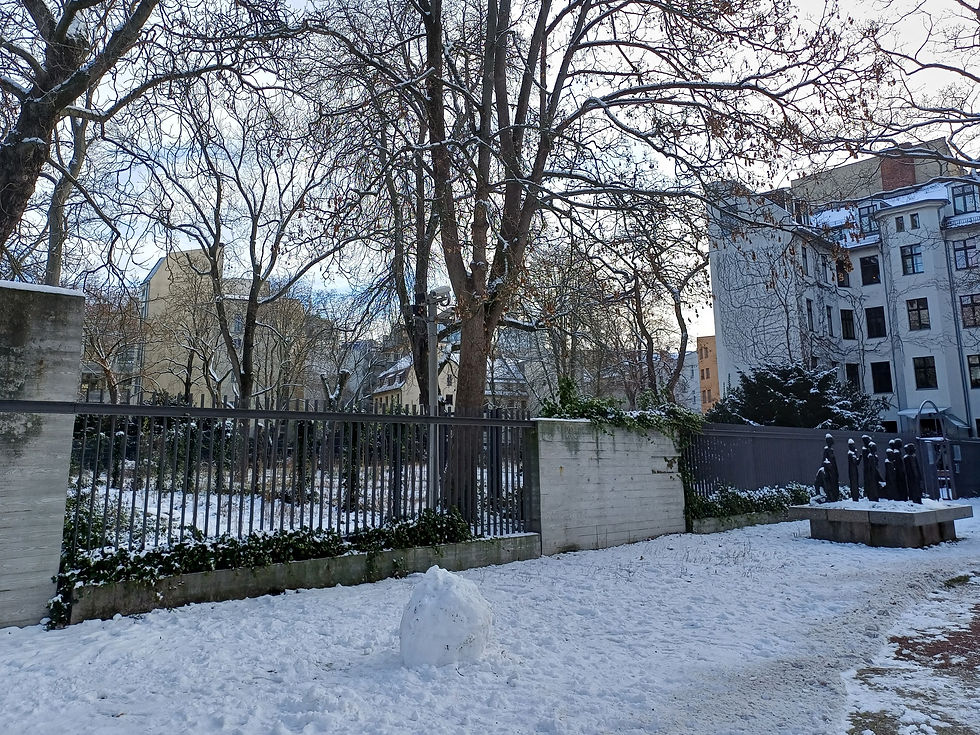
As I continued walking, I kept noticing the small golden stones in the pavement with names on them. I took photos quietly, feeling the weight of the stories they represent.

Later, I went to see parts of the former Berlin Wall, especially around Bernauer Straße. This area explains clearly how the city was divided into East and West, sometimes cutting through streets and even homes. Reading about it is one thing — standing there makes it real.


As it got dark early and even colder, I stayed on public transport as much as possible. I had planned to stop at the East Side Gallery, where artists painted murals on a remaining section of the Wall. In the end, I viewed it from the bus, and even that was enough to feel its impact.
Monday – a final day of reflection
On Monday morning, my last day in Berlin, I visited the Memorial to the Murdered Jews of Europe. The rows of concrete blocks create a space that feels disorienting and quiet.


After that, I visited the Otto Weidt Museum. I realised it was actually in the same area I had been the day before but hadn’t noticed. Learning about Otto Weidt, who risked his life to save Jewish men and women by employing them and hiding them, was deeply moving. It’s a reminder that even in the darkest times, individual choices mattered.


Kosher food in Berlin
Berlin has several good options. There are four kosher places in the city: L’Chaim An elegant restaurant offering fresh fish and quality meat dishes, served in a calm and refined atmosphere. A great choice for a relaxed evening meal.

King David Garden Hotel & Restaurant Located opposite the Chabad House, this restaurant is a convenient option for a warm, home-style meal, especially if you’re staying in the area.


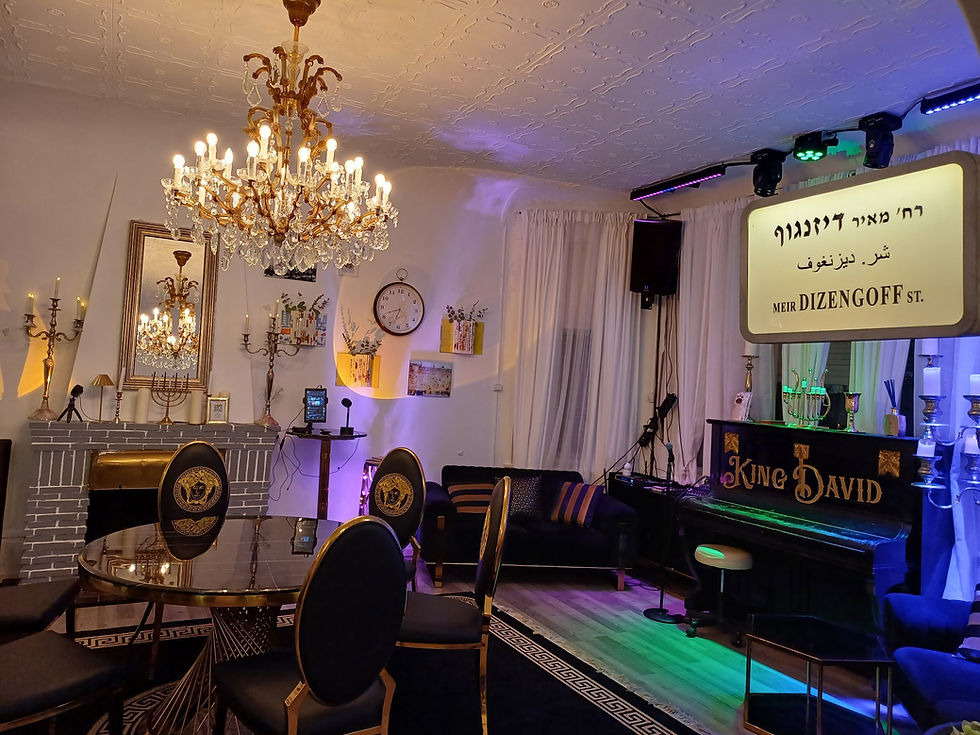
Balebusta Bakery An Israeli-style bakery and café serving dishes like hummus, shakshuka, and baked goods. A friendly place for breakfast or lunch with flavours that feel familiar.

Good Morning Café A dairy café offering coffee, pastries, and light meals. A pleasant spot for a relaxed start to the day or a short break.


Closing thoughts
To summarise my trip, it was meaningful to explore Berlin, meet new people, and learn more about its history. It’s hard to grasp the scale of what happened here, especially when the city today feels creative, lively, and welcoming.
Berlin is not an easy city to visit, but it is an important and honest one. Alongside the weight of its past, I found warmth, kindness, and everyday life continuing quietly. I left with new connections, a deeper understanding, and a reminder that every choice we make matters, and that choosing kindness, responsibility, and humanity can shape a better and more peaceful future.